


If you own your own portable toilets, regular maintenance isn’t optional. It’s critical. Without the right cleaning routine, inspections, and odour control, your units can quickly become a health risk, a legal problem, or just plain unusable. And when things go wrong, it usually happens at the worst time. On site during a busy project or mid-event when people are relying on it.
This guide cuts the fluff and gives you clear, step-by-step advice to keep your toilets clean, compliant, and working properly. With over 20 years in the portable sanitation game, we’ll show you how to get it done right.
Set a Regular Cleaning Schedule (and Stick to It)

The number one reason portable toilets become a problem is lack of cleaning. Legally, sites in WA require toilets to be cleaned weekly or fortnightly at minimum, depending on how many people are using them.
We recommend that you follow these steps.
Step 1: Set a cleaning frequency
- Base it on the number of toilets vs. number of users
- Use our toilet calculator to get a frequency recommendation based on the Portable Toilets Code of Practice
Step 2: Use proper cleaning and deodorising products
- Disinfect all surfaces with portable-toilet-safe cleaners
- Add SAFE-T-FRESH QuickScents after each clean to reduce smell and break down waste
- For high-traffic or hot weather, upgrade to SAFE-T-FRESH Blueworks 150
Step 3: Empty and flush tanks regularly
- Don’t wait until they’re full
- Rinse out the tank, top up water and chemicals
- Always finish with a strong deodoriser and blue dye
Step 4: Track every clean
- Use a checklist or logbook
- Make sure whoever is cleaning knows what they’re doing and does it properly
Stay Ahead of Odours (ventilation, products, and tank monitoring)

If your toilet smells, something’s off. Either it’s not being cleaned properly, it’s overused, or there’s no airflow. Here’s how to stop odours before they start.
Step 1: Position toilets for ventilation
- Keep units in open areas, not jammed against fences or under structures
- Let vents do their job (bad placement traps warm air and smell)
- Avoid dead air zones or low-lying spots where smells settle
Step 2: Control odours using layered products
- Always treat the tank first with a product like SAFE-T-FRESH QuickScents Bio or Blueworks 150 for tough sites
- Add AirWorks deodorant discs to the interior (they stick inside the unit and slowly release essential oils for long-lasting freshness)
- If you’re running a vacuum truck, use Exhaust Vapour Scent Box Additive to keep the pump-out zone from stinking out the whole area
Step 3: Lock in odour control between cleans
- Keep seats down to direct fumes up the vent
- Check tank levels regularly (don’t wait for them to overflow)
- Top up deodoriser weekly, not just after cleans
Inspect for Damage and Wear Weekly

A clean toilet doesn’t mean it’s in good shape. Small damage often goes unnoticed until it causes leaks, foul smells, or full-on breakdowns. A five-minute weekly inspection can save you a replacement unit down the track.
Step 1: Check seals, doors, and hinges
- Look for cracks in rubber seals, loose hinges or stiff handles
- Make sure doors shut properly and latch securely
Step 2: Inspect the base and floor
- Check for cracks, soft spots, or pooling water inside
- If it’s on uneven ground, look for signs it’s shifting or sinking
Step 3: Look at the tank and fittings
- Make sure there are no leaks around the tank area
- Check any plumbing or flush mechanisms if fitted
Step 4: Keep a repair log
- Record minor issues early
- Order spare parts or book repairs before it gets worse
Plan for the Seasons: Weather-Proofing Tips
Weather plays a big role in how well your toilets perform. Heat makes smells worse. Rain and wind can shift or damage units. Cold temps can slow breakdown of waste. If you own the toilet, you’ve got to adapt with the seasons.
Step 1: In summer, step up your cleaning
- Smells build faster in heat (service more often)
- Use higher-strength deodorisers like Blueworks 150
- Keep tanks shaded where possible
Step 2: In winter, protect from cold and wet
- Make sure seals aren’t brittle from cold
- Avoid pooling water around the base
- Keep units stable on soggy ground
Step 3: Anchor units in high wind areas
- Use straps or weights in storm season
- Avoid placing near scaffolding or fencing that could fall
Know When to Call in the Experts
Some problems aren’t worth handling yourself. If your toilets are regularly overflowing, smell even after cleaning, or showing signs of damage, it’s time to call in a professional.
The signs to look out for
- Waste tanks filling too fast
- Persistent odour issues even after treatment
- Damage to seals, bases or fittings that keep returning
- Complaints from staff or site managers
Bring in a servicing team
Did you know we can do all of this for you?
At Instant Toilets & Showers, we handle:
- Scheduled servicing (weekly, fortnightly, or custom)
- Full waste pump-outs with licensed disposal
- Deep interior/exterior cleans using SAFE-T-FRESH products
- Toilet paper, soap, and sanitiser restocking
- Repairs and condition checks
We even service toilets that weren’t hired from us. One-off, emergency or long-term—we’ve got you covered across WA.
Sometimes it’s just easier to let us handle the dirty work.
Need a Hand? We’ve Got You Covered

If you own portable toilet, keeping them clean and functional is part of the job. It doesn’t have to be complicated, but it does need to be done properly. Stick to a regular routine, use the right products, and fix small issues before they turn into big ones.
If you’re managing it yourself, grab the right gear. Our SAFE-T-FRESH products are made for real-world use and help get the job done right.Or just let us take care of it. We offer full portable toilet servicing including cleaning, waste removal, restocking, and maintenance across WA. Whether it’s a one-off job or a regular schedule, we’ll work with you to get it sorted.
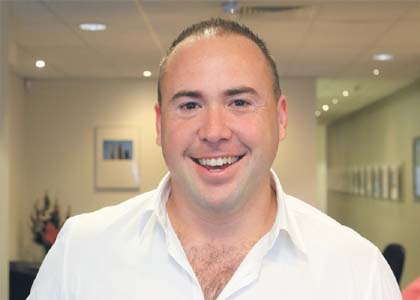
Managing Director at Instant Toilets & Showers
Scott Rawson is the Managing Director of Instant Products Group, a specialist group of companies that offer portable building solutions, including sea containers, transportable offices, and portable sanitation products. With more than 20 years of experience in various management positions and a finalist in the WA Business News 40 under 40 awards in 2013, Scott is a highly motivated entrepreneur that has a passion for designing products to suit the needs of individual markets. From the creation of Instant Products Group over 20 years ago, he has successfully grown the group into a multi-million dollar corporation and his success is widely recognised in Western Australia. Scott is dedicated to expanding Instant Products Group nationally and providing high-quality products to a range of sectors, including mining, engineering, property development, and government.